


Solutions for you




For you: Car insurance
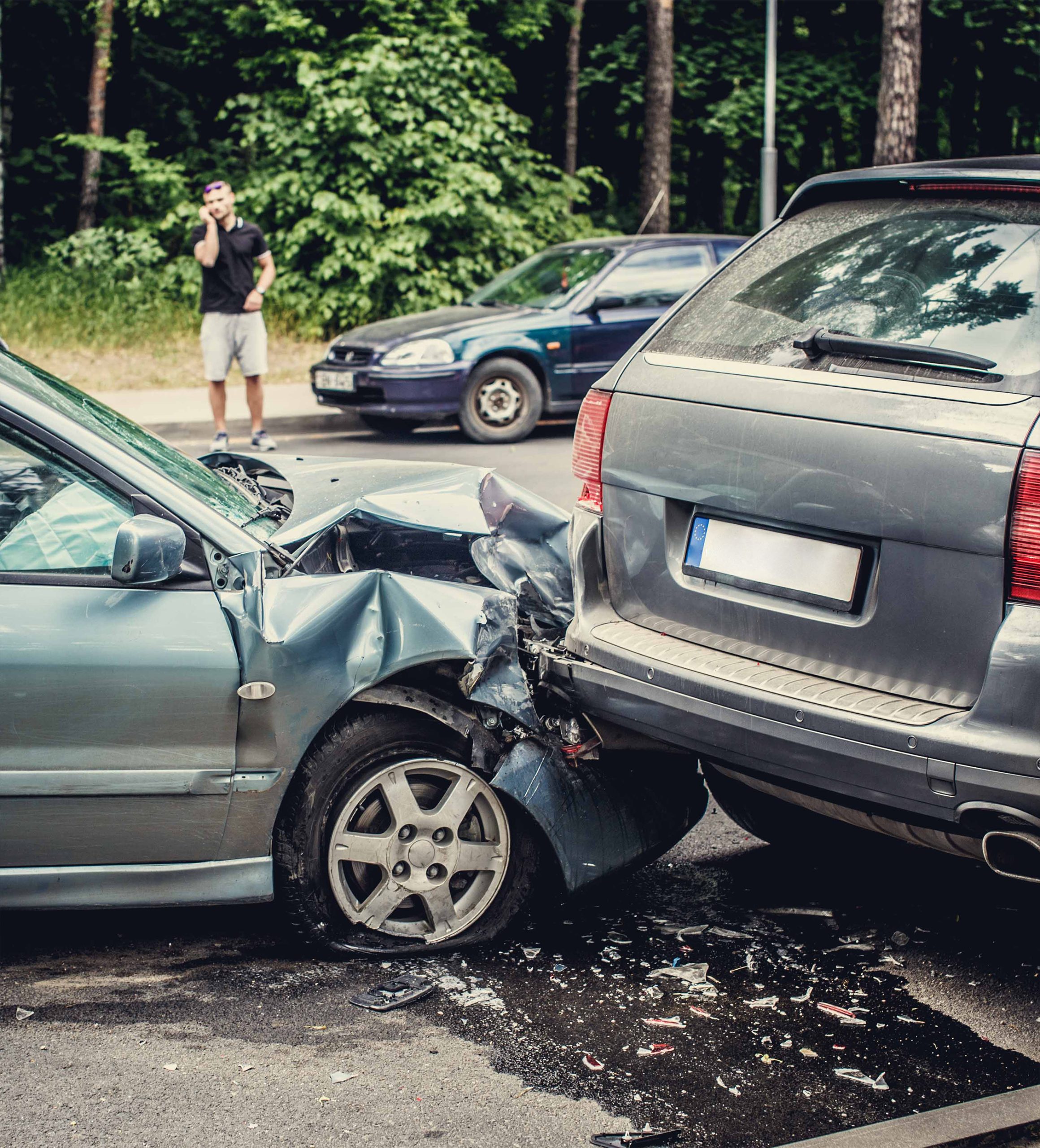
Motor vehicle insurances are types of insurance that provide protection to vehicle owners and drivers against financial losses that may occur as a result of accidents, theft, damage or other unforeseen events related to their vehicles.
There are different types of motor vehicle insurance, including:
- Compulsory third-party liability insurance (car insurance): This insurance covers damage that the owner or driver of the vehicle may cause to other people or their property during traffic accidents. Auto liability policies are often accompanied by accident insurance, which provides protection for passengers in the vehicle in the event of an accident. It can cover medical expenses, disability benefits and other expenses related to passenger injuries. Also, legal protection insurance is often contracted, and it is possible to add supplementary partial comprehensive insurances that cover certain contracted risks.
- Comprehensive insurance: Comprehensive insurance provides coverage for damage to your own vehicle, regardless of who is responsible for the accident. This insurance can cover different types of risks, including theft, fire, storm, collisions and other unforeseen events. In addition, it is possible to contract a deductible or integral franchise, which achieves savings on the insurance premium, and the vehicles are insured against unexpected major damages.
- Passenger Injury Insurance (Passenger Insurance): This insurance provides protection for passengers in the vehicle in the event of an accident. It can cover medical expenses, disability benefits and other expenses related to passenger injuries.
Common questions about car insurance
Is car insurance mandatory?
With the automobile liability insurance policy, you fulfill the obligation prescribed by law and insure your liability towards third parties for damages caused by the use of your vehicle.
The insurer assumes the risk and thus protects you financially and guarantees that the consequences of a possible traffic accident will be significantly mitigated. Statistical data show that the probability of being injured in a traffic accident is significantly higher than in other forms of transport.
Does your car insurance cover replacing your own windscreen?
Although each policy’s terms, limits and exclusions will vary, windshield repair and replacement are generally not covered by a comprehensive auto insurance policy.
Of course, it is possible to contract glass breakage coverage as a separate risk.
Does my car insurance cover the rental car?
The rental vehicle will generally be covered by your existing auto insurance policy (the same policy coverage should apply, including limits and deductibles).
However, drivers may choose to purchase a separate rental car insurance policy to cover the rental vehicle if, for example, car insurance policy deductibles are high, claims on an existing policy are to be avoided, someone is driving out of the country, or if the car owner’s insurance policy does not include collision or comprehensive coverage.
Does car insurance cover theft?
Vehicle theft is usually covered by comprehensive car insurance such as comprehensive insurance, which can help cover the replacement of the stolen car (or parts, if applicable). As a rule, auto liability policies do not cover theft, although with some insurance companies it is possible to contract the risk of theft of your own vehicle as an addition to the auto liability policy.
Personal items stolen from a car, however, are generally not covered by an auto insurance policy. Although the terms and exclusions under each policy will vary, some homeowner’s or renter’s insurance policies may cover the theft of items from the policyholder’s vehicle.
Does the insurance cover vehicle towing or assistance in case the vehicle breaks down?
It is possible to arrange assistance with each car liability policy and comprehensive vehicle insurance. The assistance covers the costs of roadside assistance in cases such as traffic accidents or technical malfunctions in which your personal vehicle is not in drivable condition or is not safe to drive.
The costs of transporting the vehicle to the place of residence or the location of your choice are also covered, and depending on the selected package, a replacement personal vehicle is also available in the event of a breakdown or traffic accident.
What's the average cost of car insurance?
How much does car insurance cost? The premium a vehicle owner pays for personal liability auto insurance and comprehensive insurance depends on many factors, including but not limited to their driving history, license plate number, age, type of car and zip code.
Does the make and model of the vehicle affect the auto insurance rate?
The make, model and year of the vehicle usually affect the car insurance rate.
Why? The higher the car’s value, the more expensive it may be to repair or replace.

For you: Home
Understanding the different types of home and property insurance policies, additional coverage options are important to protect your home or property investment. The right insurance policy can give you peace of mind and help in what could otherwise be a challenging situation.
Types of coverage for your home or property:
Basic package
It generally offers only limited coverage. Although the terms and conditions of each policy will vary, they usually cover a narrow range of perils, such as fire and lightning. While it can serve as an insurance option for property owners, it can leave gaps in coverage, making it less popular among homeowners looking for more comprehensive coverage.
Extended package
Provides wider coverage. It offers coverage for a wider range of perils: Fire, Lightning, Explosions, Smoke Damage, Storm and Hail, Vehicle Impact (someone else’s car damages your property), Theft, Flying Object Impact, Vandalism, Burst Pipe. It can be considered a balance of affordability and protection, making it a popular choice for owners. Commonly excluded hazards are floods and earthquakes.
In addition to the above types of home and property insurance, owners may consider additional insurance options to address certain risks and circumstances, including:
Flood insurance
Flood insurance can be crucial, especially if the homeowner lives in a flood-prone area. Although the specific terms of each policy will vary, most standard homeowner’s insurance policies generally do not cover flood damage or loss. Flood insurance is specifically designed to help cover losses caused by floods and can provide financial protection for homes and personal belongings.
Earthquake insurance
In seismic regions, earthquake insurance can be a wise investment. Although the specific terms of each policy will vary, most standard homeowner’s insurance policies typically do not cover damages and losses caused by earthquakes. Earthquake insurance generally helps cover structural damage and personal property losses caused by earthquakes.
Common questions about home and real estate insurance
How can a property owner choose the right insurance policy?
A home or apartment owner should consider several factors when choosing an insurance policy, most notably the location and features of the home, the value of the home and personal property, coverage limits, and premium amount. Fox broker supports homeowners to find insurance solutions that help meet their specific needs.
Are floods covered by every property insurance policy?
Although some property insurance policies may cover certain types of water damage (such as a water leak or burst pipe), flooding due to storms or other weather conditions, for example, is generally not covered. A flood insurance policy is usually required to cover flood damage.
What is not covered by a standard basic or extended home insurance package?
The terms, limits and exclusions of each property insurance policy will vary, but the following are examples of events that typically exclude losses: earthquakes, willful conduct, normal wear and tear, neglect of property and war damage. As always, please refer to the terms and conditions and documentation for quotes and insurance policies for details.
Does property insurance cover theft?
The coverage terms of each property insurance policy will vary, but coverage for loss of personal property resulting from theft is usually included in personal property coverage. If a thief steals covered items from the home, homeowners insurance will usually cover the loss of those items up to the policy limit. Some homeowners insurance policies may also cover certain personal property when it is off the premises.
It is important to review the terms to determine if you need additional coverage for items that may be excluded such as collectibles, fine art collections or other valuable items.

For you: Health
There are two basic types of health insurance, supplementary and additional health insurance.
Supplementary health insurance
It fully covers co-payments in the costs of health care from the mandatory health insurance, and if the contract covers the supplement for drugs from the supplementary list of drugs of the HZZO. Persons of at least 18 years of age who have established the status of an insured person in the compulsory health insurance can be insured.
Additional health insurance
It provides quality health care in selected institutions, without waiting lists. Unlike supplementary insurance, which covers co-payments in the costs of compulsory health insurance, supplementary insurance ensures the right to use the services of systematic and specialist examinations and numerous other health services. As part of the systematic examination, it is possible to contract and perform occupational medicine as a mandatory periodic examination for certain activities.
Common questions about health insurance
What is covered by supplementary insurance?
Supplementary health insurance covers participation:
- in primary health care
- for hospital treatment
- for dispensing prescription drugs
- for specialist examinations
- for diagnostics
- for laboratory tests
- for physical therapy
- for services to dental medicine
- for orthopedic and other aids
Why contract additional health insurance?
Additional health insurance allows you to perform systematic and specialist examinations and numerous other health services in modern polyclinics:
Diagnostic and therapeutic services for which you have to wait for months in public institutions can be obtained immediately or in a few days in more than 600 cooperating health institutions without referrals and waiting.
In addition to a systematic examination, you have the right to use specialist examinations, diagnostic processing and laboratory tests: Specialist and subspecialist examination, Control examinations, Medical diagnostics, Endoscopy, Laboratory tests, Hormones and tumor markers, Magnetic resonance, CT, Medical rehabilitation, Dental treatment.



For you: Travel insurance
There are two basic types of travel insurance, travel health insurance and travel cancellation insurance.
Travel health insurance is insurance for tourist and business trips or staying abroad to study or work abroad. Vacations abroad, regardless of whether it’s warm places, short city breaks or enjoying the snowy slopes, are usually associated with pleasant experiences and memories. Unfortunately, you can always be surprised by some unpredictable event, injury or illness that you cannot avoid and that could spoil your vacation.
Travel health insurance can be taken out as individual, family or group insurance. When taking out family insurance, in addition to the policyholder, his spouse or common-law partner and their children, stepchildren or adopted children up to the age of 18 or up to 26 years of age are insured, if they go to school and live at the same address (a maximum of 6 members can be insured with one insurance policy family). Group insurance includes all persons listed on the insurance policy who represent the group. A group means at least two people who do not fit the definition of a family. Group members must travel together.
If you plan to engage in risky sports or other risky activities while traveling abroad, you are also covered by our travel health insurance. However, a surcharge is calculated on the premium in that case.
The list of risky sports and other risky activities can be found in the General Conditions for Tourist and Travel Health Insurance.
An accident can happen at any time. With a travel health insurance liability supplement, it is easy to insure yourself against any damage you may cause to another person during your trip.
Trip cancellation insurance compensates 90% of the amount that the travel agency withheld from the insured for the travel arrangement, if the insured person cancels the trip due to unforeseen events, which occurred from the moment of signing the insurance contract (payment for the arrangement) to the beginning of the insurance. Insurance is contracted when concluding a travel contract.
Taking out travel cancellation insurance protects you from financial losses if you are forced to cancel your trip due to illness, accident, death, military exercises, natural disasters.
Travel cancellation insurance can be arranged no later than 48 hours after the conclusion of the travel contract. When there are less than 3 days left until the planned trip, insurance cannot be arranged. Negotiating travel cancellation insurance after 48 hours from the conclusion of the travel contract is only possible if there are more than 15 days left until departure.
If the insured cancels the contracted trip due to the occurrence of an insured event that occurred in the period from the beginning of the insurance to the time of the contracted start of the trip, the Insurer will compensate the Insured for 90% of the amount that the tourism service provider charged the Insured according to the provisions on cancellation contained in the terms of the contract about the trip.
If the Insured cancels an already started contracted trip due to the occurrence of an insured event, the Insurer will compensate the Insured for 90% of the amount charged by the tourism service provider from the Insured, calculated using the pro rata temporis principle per day from the unused duration of the trip.
Common questions about travel insurance
Why health travel insurance?
Whether you’re going on vacation, visiting family, or for some other reason, there’s always the possibility that you’ll get sick or have an accident. With health travel insurance, you can enjoy a worry-free trip, because you no longer have to think about unforeseen medical expenses. From a broken leg to acute appendicitis: we will reimburse the costs of your treatment. Coverage includes amateur and recreational sports, such as skiing and the like.
Why take out travel cancellation insurance and what is covered?
Trip cancellation insurance is insurance that protects you from financial loss in the event that you are forced to cancel your trip due to illness, accidents or natural disasters. Up to 90% of the paid trip amount in case of trip cancellation due to:
- illness (of the insured, life partner, children, parents)
- accident
- natural disasters in the insured’s place of residence
- death (of the insured, life partner, children, parents)
- military exercises
For you: Ships
As with motor vehicles, there are two basic types of insurance in the boat segment – compulsory liability insurance and comprehensive insurance.
Compulsory boat insurance, also known as compulsory boat liability insurance, is a type of insurance that refers to the obligation of a boat owner to insure their vessel to cover the liability they may have to third parties in the event of an accident or damage caused to their vessel. This insurance is mandatory in many countries and regions to ensure that boat owners can be financially compensated for damage they may cause to other people or their property while sailing.
Comprehensive boat insurance, also known as comprehensive boat insurance, is a type of insurance that provides protection for a boat against various risks and damages, including damage caused by collisions, theft, fire, storms, floods, vandalism and other unforeseen events. This type of insurance provides comprehensive protection for boats and unlike boat liability insurance, it is optional.
Common questions about boat insurance
Why contract compulsory boat and yacht insurance and what is covered?
Compulsory boat insurance covers the liability of the owner or user of the boat or yacht for compensation for damages due to death, bodily injury, damage to the health of swimmers, divers or people on land. Vessel owners are obliged to insure the vessel every year, and the insurance is contracted for one year.
It covers:
- Liability for damage you cause to others, in case you kill, injure or harm someone with your vessel
- The insured amount is prescribed by law and amounts to €464,529.83 per event
Why contract hull insurance for boats and yachts and what is covered?
It covers:
- Maritime accidents such as collision, impact, stranding, sinking and other extraordinary and unforeseeable external events related to sea navigation
- Damage caused by disasters such as hail, tidal wave, lightning or thunder, earthquake, fire, explosion
- Damage caused by a hidden flaw or material fatigue on the hull, machine or equipment
- Damage caused by negligence or deliberate action of persons not on the vessel, ship repairmen or third parties
- Alienation or unauthorized use of the vessel and theft of equipment and outboard motor